Most people intend to find out CPR and first aid at some point. After that job meetings stretch late, youngsters' activities fill weekends, and that great intent slides down the top priority checklist. I have seen it take place for many years while running first aid and CPR training classes for hectic specialists, moms and dads, and trainees.
What transformed the game was the rise of fast first aid courses and express CPR training choices that value limited routines without thinning down the life-saving skills.
The obstacle is figuring out which fast courses really supply strong abilities and a legitimate first aid certificate, and which ones merely hurry you past what issues. If you have a jampacked calendar and a real requirement for training, you need rate and top quality, not one or the other.
This overview goes through exactly how pressed CPR and first aid training operates in practice, where fast layouts make good sense, and exactly how to select an alternative that fits your life without leaving you not really prepared in an emergency.
Why short, concentrated CPR training helps busy people
When I ask students why they delayed training, the stories are comparable. Health and wellness employees stuck on revolving shifts. Parents managing childcare. Construction employees traveling in between sites. They need CPR courses and first aid training to remain utilized or fulfill governing needs, yet the concept of shedding a complete day or weekend break in a class is a bargain breaker.
Fast first aid training and express CPR courses emerged as a straight reaction to that fact. Instead of expecting students to pause their lives, companies upgraded courses around three concepts: trim the fluff, usage pre-course online understanding where feasible, and sharpen the focus on the abilities that matter under pressure.
The bottom line is this: short does not need to suggest superficial, if the first aid course in Brisbane course is structured well. As a matter of fact, I have seen some learners retain much more from a three-hour fast cpr correspondence course than from an all-day workshop, because the content was targeted and they were completely engaged.
Speed becomes an issue only when it cuts into method time or misses core subjects. The rest is down to clever design and good teaching.
What "fast" and "express" first aid courses really look like
The language around fast first aid courses can be complex. You will see terms like "express first aid training", "fast cpr", "mixed knowing", and "accelerated" sprayed in advertising. Beneath the tags, the majority of fast choices fall under a few useful formats.
Blended learning: online theory, brief in-person skills
This is the workhorse format for modern-day first aid and CPR training. You complete the knowledge part online at your own pace, typically in short modules with video clips, quizzes, and situation examples. After that you attend a quick face-to-face session to exercise and show skills.
For instance, an express first aid course may include 3 to 4 hours of online job complied with by a 3-hour in-person class. A conventional matching might run 6 to 8 hours totally in a class. In both, you discover CPR, standard first aid, and how to respond to typical emergencies, however the combined variation allows you handle the theory on your own timetable.

This is where lots of fast first aid courses actually gain their name. You are not investing class time listening to web content you might absorb at home. Class hours are scheduled for practicing compressions, utilizing an AED, putting a person in the healing placement, or working through sensible scenarios.
Compressed face-to-face sessions
Some organisations want every little thing done in individual, yet still require a short time window. Because instance, service providers frequently make fast cpr courses or express first aid courses that run, for example, 3 hours rather than a full day.
These job well as:
- Workplace team sessions run on-site before or after shifts Short courses for college accomplices or occupation trainees Regularly scheduled public classes for people searching "fast first aid course near me"
Because all finding out occurs real-time, trainers need to move quickly. The better ones strike an equilibrium in between covering called for topics and spending sufficient time on the hands-on parts.
Topic-specific or role-specific express courses
Not every student requires the very same deepness. This has actually generated targeted options such as:
Express child care first aid courses focus on infants and youngsters, choking in younger age, febrile convulsions, allergic reactions, and usual household injuries. These are optimal for moms and dads, childcare employees, and educators.
Fast cpr refresher course options are aimed at people that currently hold a first aid certificate or CPR training and just need to upgrade skills and renew their fast certification. Due to the fact that they include a foundation, the refresher can focus greatly on method and updates to guidelines.
FAP first aid or comparable course codes (relying on the nation) suggest certain office or market demands. A pressed variation may be readily available if regulatory authorities and training service providers agree on a mixed or sped up format.
The main idea is straightforward. If you do not require every advanced subject, you can frequently choose a focused course that matches your role and cuts down the complete time.
Where rate should quit: minimum criteria that should never be rushed
When people ask me whether a particular fast first aid course is "good enough", I do not begin with the period. I start with what can not be sacrificed.
There are a few non-negotiables in any type of qualified first aid and CPR course, whether it is classified express cpr, fast first aid, or conventional training.
First, there need to be real, time-on-task method. Viewing a video of chest compressions does not prepare you for the feel of doing them on a manikin. When a course packs dozens of learners right into a space and provides every one a min or more on the equipment, that is not high-quality CPR training, no matter the length of time or short the day is.
Second, you need to have a clear course to an acknowledged first aid certificate or CPR certificate at the end. Fast certification still requires to satisfy your employer, regulatory body, or specialist association. That typically implies the service provider is recognized by an acknowledged authority in your region, and the credentials is valid for a specified duration, frequently one or three years for first aid and often one year for CPR.
Third, assessment needs to be more than ticking a box. Excellent first aid and cpr course carriers examination both expertise and skills. The expertise component can be an online test in a blended first aid and cpr course, yet the skills should be evaluated personally by somebody that recognizes what proper technique looks like.
If any of those items look weak, beware. A fast first aid course is useful just if it leaves you prepared to act when an associate falls down or a kid starts choking at home.
Choosing the ideal sort of fast first aid or CPR course
The ideal express first aid training for you relies on your goals, your schedule, and your previous experience.
If you have actually never ever had first aid training, you will certainly desire a course that covers both first aid and cpr in a structured means. Try to find first aid and cpr training classes that bundle the two, as opposed to trying to assemble separate cpr courses and standard first aid choices. It is a lot more efficient and provides you a systematic framework for handling an emergency situation scene.
If you operate in medical care, building, hospitality, childcare, or any type of regulated industry, start by checking your specific need. Some roles require a details first aid course code, advanced modules, or a certain minimum variety of call hours. Once you recognize that, you can browse within that category for combined or fast first aid training options.
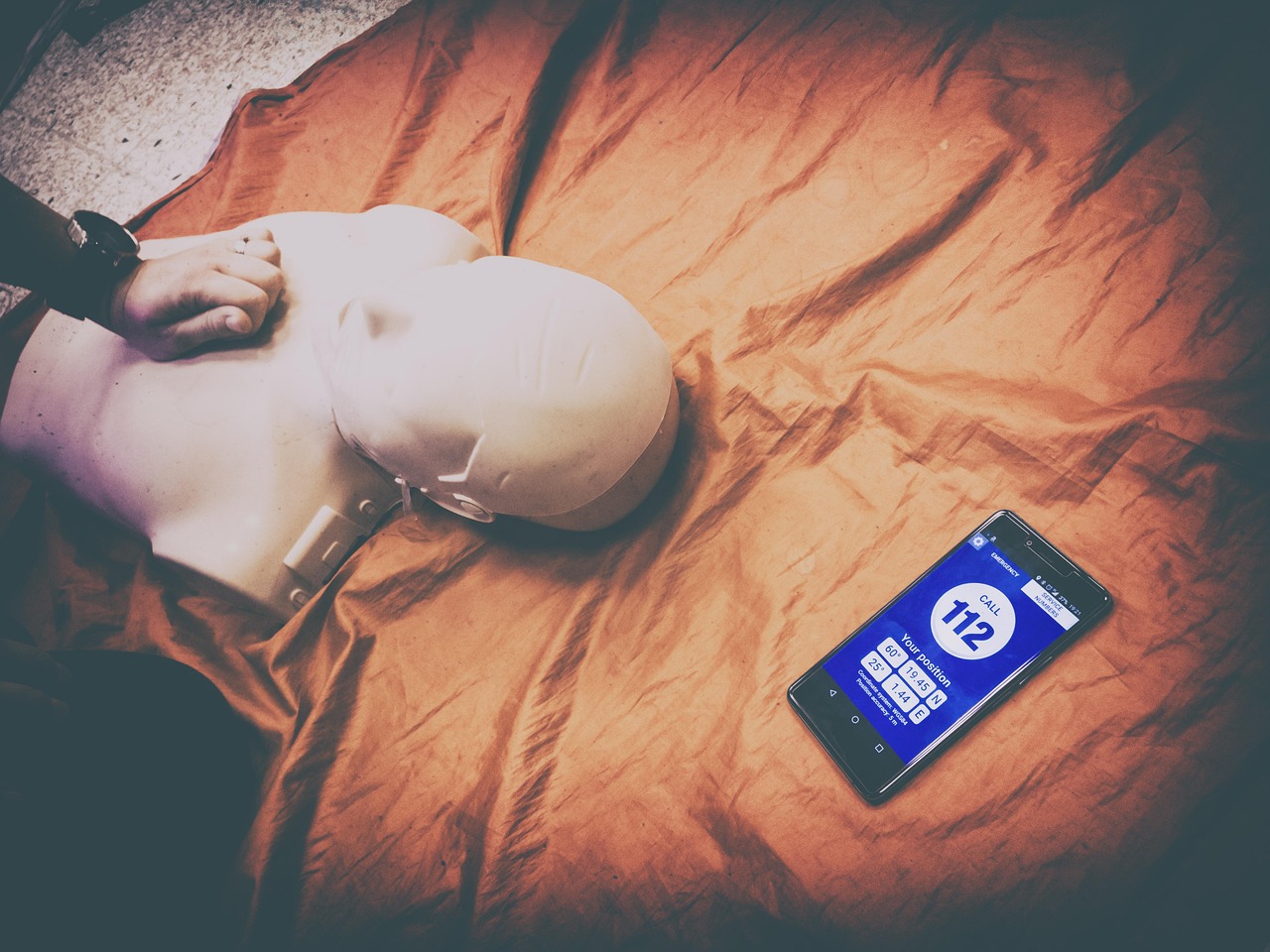
If you are a moms and dad, carer, or simply a determined layman, you have a lot more adaptability. An express cpr course or express first aid course that runs in the night or over a solitary short early morning typically fits best. In my experience, determined parents in express child care first aid training sessions ask a few of one of the most practical concerns, since they visualize their very own cooking area, backyard, or vehicle every time we speak about a scenario.
And if you currently hold a qualification, do not underestimate the worth of a fast cpr correspondence course. Standards shift nursing scientific research develops, AED prompts modification, and poor behaviors sneak in over time. A 90 min or 2 hour express cpr training block, concentrated totally on upper body compressions, rescue breaths (where required), and AED usage, can bring back confidence far more successfully than trying to examine alone from a handbook.
How online, blended, and in-person styles compare
Many students ask whether online-only CPR training or first aid courses "count." From a skills perspective, the brief solution is no. Seeing video clips does not change hands-on method, specifically for something like chest compressions where depth, rhythm, and body mechanics matter.
What online modules can do exceptionally well is provide concept and context. For example, in blended first aid and cpr courses, I usually designate pre-course product on:
- Legal and moral factors to consider Basic composition and physiology Recognising heart attack vs heart attack Stroke indications and the FAST list Scene safety and infection control
When trainees arrive for the express cpr or express first aid session, they already talk the exact same language. That lets us invest class time on the physical abilities: compressions, breaths, making cpr courses Logan use of an AED, hemorrhaging control, bandaging, and managing an unconscious however breathing casualty.
Fully in-person fast first aid courses can still work well, specifically for teams that discover much better face-to-face. The danger there is that instructors could feel stress to "talk" the concept promptly and shortchange practice. If you participate in such a session, take note of how much of the clock is invested with you actually doing points vs listening.
Purely on the internet "fast first aid course" deals with no in-person part normally do not satisfy work environment or regulatory demands, and more significantly, they do not test your ability to perform under pressure. They may be beneficial as an initial introduction, however not as your major training.
The pleasant place for lots of people is a mixed, express first aid course that respects your time while still requiring genuine performance in the classroom.
What you in fact discover in a pressed first aid and CPR course
People often worry that an express cpr course or brief first aid training session will certainly miss essential subjects. The truth depends on the provider, but a well created fast course needs to still cover the core emergencies that non-medical -responders are most likely to face.
In a typical mixed first aid and cpr course provided over, claim, 3 hours of online job plus 3 hours of classroom skills, you can reasonably expect to walk away with:

More was experts express childcare first aid courses add or emphasise infant and child CPR ratios, choking in toddlers and babies, fever-related convulsions, risk-free handling, and child-specific injury patterns.
Fast cpr courses that work as refresher courses frequently think you already understand these structures. They focus much less on new theory and more on fixing strategy: pushing hard enough, utilizing your body weight as opposed to your arms, maintaining a regular rhythm around 100 to 120 compressions per min, and functioning smoothly around the AED.
If a provider uses an express first aid or fast first aid course that appears dramatically shorter than comparable courses, ask exactly which subjects are included and which are not. You may find it is a concentrated component, such as CPR-only, rather than a complete first aid course.
Getting one of the most from a fast CPR or first aid session
Speed multiplies the impact of preparation. The more all set you are when you stroll into a fast first aid course, the even more of that brief face-to-face time you can dedicate to exercise and feedback.
Here are basic ways to make a pressed session feel richer, not rushed:
Complete any kind of pre-course online training correctly. Do not avoid video clips or thrill quizzes. Treat it like a genuine course, since it is the structure for your hands-on work. Arrive relaxed and in a timely manner. In a basic all-day course, losing 15 mins at the start is irritating however manageable. In a 2 or 3 hour fast cpr or express first aid training block, that wasted time is considerable. Ask details, real-life concerns. As opposed to "What about blood loss?", try "If I am alone with my kid and they reduced their hand badly in the kitchen, at what point do I call an ambulance vs drive them to immediate treatment myself?" Specifics assist instructors customize descriptions to your world. Volunteer for presentations and extra technique. Brief courses often move quickly in between stations. If you can, stay a minute longer at a manikin, or ask the instructor to watch you execute a complete cycle of CPR from beginning to end. Review soon after the course. The fastest way to shed abilities is to deal with the certificate as the finish line. Reread your manual, revisit the on the internet components, or walk yourself via a mental practice session in your home: you locate someone collapsed, what do you do first, 2nd, third?Even if your fast first aid training felt thick, this sort of follow-up concretes the knowing and aids link the gap until your following fast cpr refresher course.
How to judge a training provider in under ten minutes
When people search for "fast first aid course near me", they generally see a long listing of providers with comparable assurances. Sorting them can seem like guesswork, however a little framework helps.
First, examine whether the service provider names the accrediting or accepting body on their internet site. If you are in a nation where first aid and cpr courses are country wide regulated, confirm the course code or program is present. If they avoid details or count on obscure language like "widely identified" without specifics, deal with that as a warning sign.
Second, look for quality concerning distribution layout. A credible summary will certainly inform you how many hours are on the internet, the amount of face to face, and what the in-person session covers. Fast first aid courses that simply claim "fast and very easy" without schedules or malfunctions usually convert to hurried or insufficient experiences.
Third, check out any fitness instructor bios if available. Real-world experience issues. Instructors that have worked in paramedicine, nursing, emergency situation services, or high-risk sectors tend to bring dazzling examples and useful faster ways that stick with students. That stated, several of the very best fitness instructors I recognize are career teachers that specialise in making complicated topics accessible; the secret is that they are not simply reading slides.
Fourth, glance at photos or summaries of the training atmosphere. For real hands-on CPR training, you desire enough manikins for little teams, tidy and functional AED instructors, and a room where individuals can stoop, roll casualties, and walk around. A cramped area with thirty chairs securely packed generally indicates limited practice.
Finally, skim reviews with an essential eye. Remarks like "enjoyable" and "loosened up" are nice, however you are searching for phrases such as "a lot of practice", "clear explanations", "felt great afterwards", or "helpful for my task as a child care employee/ registered nurse/ website manager." These suggest that the course did greater than entertain.
When a common course might be far better than a fast format
Despite the ease of fast cpr and express first aid alternatives, they are not optimal for everyone.
If you are extremely distressed regarding emergencies, have language obstacles, or find out slower than standard in group setups, a much longer course may actually really feel less forced. Additional hours give you much more chances to ask concerns, repeat skills, and digest information. I have actually had students start in an express first aid course, know they desire more time, and switch to a full-day variation for specifically this reason.
If you are relocating into a role with hefty responsibility, such as an assigned first aider on a remote worksite or a senior childcare placement, the additional scenarios and prolonged sensible time of a typical first aid course can be invaluable. You can not practice every possible scenario, however even more contact hours normally suggest a lot more different practice.
If your organisation has not yet welcomed blended layouts, or your market regulatory authority defines a specific minimal variety of in person hours, you may be obliged to attend the conventional variation at least once, then use fast cpr correspondence course alternatives subsequently.
Think of fast first aid and cpr training as one tool amongst numerous. The appropriate selection is the one that matches your threat, your role, and your understanding design, not simply the shortest one on the market.
Final thoughts: rate with substance
Time pressure is actual. Individuals work shifts, take care of households, travel, and manage numerous duties. Anticipating everyone to clear a full day for first aid courses is no more sensible in many workplaces.
Fortunately, fast first aid courses, express cpr training, and mixed first aid and cpr courses have grown past simple faster ways. When created well, they remove filler, concentrate on critical skills, and meet governing standards, all while respecting your schedule.
Your task as a student is not to end up being a clinical professional. It is to build enough ability and confidence to act decisively in minority mins that matter many. With the right fast first aid or CPR course, that goal rests conveniently inside an early morning, an evening, or a half day.
The certificate is very important, obviously. But the real worth shows up later, on a road corner, at a playground, in a workplace corridor, or next to a sports area, when a person instantly needs aid and you are no longer the person who simply stands there and hopes somebody else knows what to do.